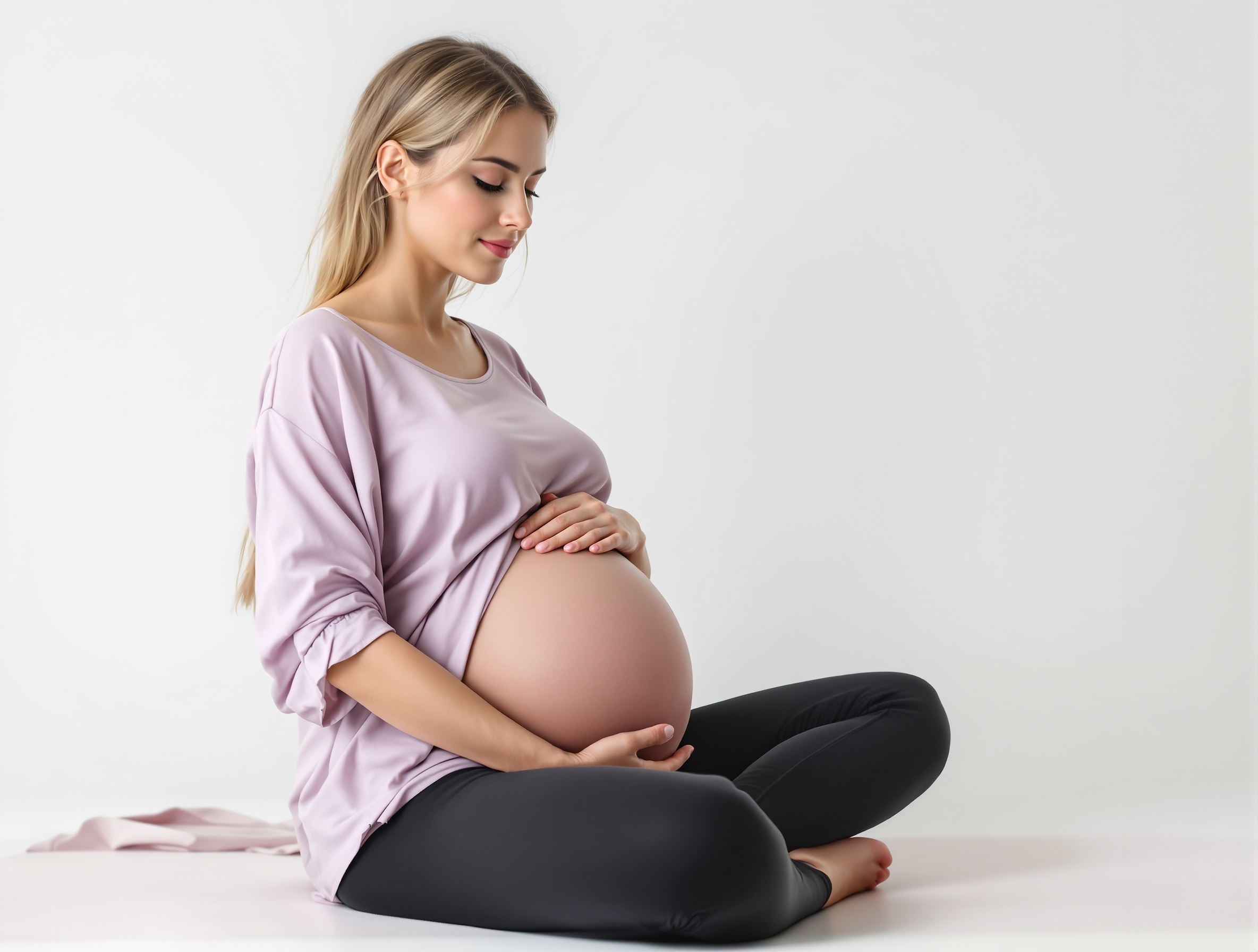
Yoga During Pregnancy
Pregnancy yoga, also called prenatal yoga, is a gentle exercise designed specifically for expectant mothers. It offers physical, mental, and emotional benefits that support a healthy pregnancy, prepare for childbirth, and aid postpartum recovery.
Important Medical Disclaimer
Always consult your healthcare provider before starting any exercise program during pregnancy. This information is educational and does not replace medical advice. Every pregnancy is unique, and what's safe for one person may not be appropriate for another.
Benefits of Prenatal Yoga
Physical Benefits
- Reduces Back Pain: Strengthens muscles supporting the spine
- Improves Posture: Counteracts postural changes from growing belly
- Increases Stamina: Builds endurance needed for labor
- Promotes Better Sleep: Relaxation techniques improve rest
- Reduces Swelling: Gentle movement improves circulation
- Eases Nausea: Deep breathing can reduce morning sickness
- Prepares for Labor: Strengthens pelvic floor and teaches breathing
Mental and Emotional Benefits
- Stress Reduction: Calms anxiety about pregnancy and childbirth
- Emotional Balance: Helps manage mood swings
- Bonding with Baby: Mindful practice creates connection
- Community Support: Prenatal classes connect with other mothers
- Increased Confidence: Prepares mentally for birth and motherhood
When to Start Prenatal Yoga
First Trimester (Weeks 1-13)
You can continue regular yoga if already practicing, but many women prefer to wait until second trimester. If new to yoga, consult your doctor before starting. Focus on gentle practices and rest when needed.
Second Trimester (Weeks 14-27)
Often called the "honeymoon period" - energy returns and morning sickness subsides. Ideal time to establish or continue prenatal yoga practice.
Third Trimester (Weeks 28-40)
Focus on poses that prepare for birth. Emphasize hip opening, gentle stretching, and relaxation. Practice can continue right up to delivery.
Safe Prenatal Yoga Poses
Cat-Cow Pose (Marjaryasana-Bitilasana)
Benefits: Relieves back pain, improves spinal flexibility, helps position baby
How to: On hands and knees, gently arch and round spine with breath
Modified Child's Pose (Balasana)
Benefits: Resting pose, gentle back stretch, promotes relaxation
Modification: Keep knees wide to accommodate belly
Butterfly Pose (Baddha Konasana)
Benefits: Opens hips, stretches inner thighs, encourages optimal baby position
How to: Sit with soles of feet together, knees falling open
Warrior II (Modified)
Benefits: Strengthens legs, opens hips, builds stamina
Modification: Use wall for support, don't bend knee as deeply
Supported Squat
Benefits: Opens pelvis, strengthens legs, prepares for birth
How to: Hold onto wall or use blocks under heels
Side-Lying Savasana
Benefits: Safe final relaxation pose for pregnancy
How to: Lie on left side with pillows supporting belly and between knees
Pelvic Tilts
Benefits: Relieves back pain, strengthens core, helps baby positioning
How to: Standing or on hands and knees, tilt pelvis gently
Legs-Up-The-Wall (Modified)
Benefits: Reduces swelling, promotes relaxation, relieves tired legs
Modification: Avoid after 20 weeks if lying flat causes dizziness
Poses to Avoid During Pregnancy
Complete Avoidance
- Lying on belly: Obviously uncomfortable and unsafe
- Deep twists: Compress abdomen
- Hot yoga: Overheating harmful to baby
- Inversions: (unless experienced and approved by doctor)
- Jumping: High-impact movements
- Deep backbends: Strain abdominal muscles
After First Trimester
- Lying on back: Can compress major blood vessels after 20 weeks
- Deep forward folds: Give belly space
- Strong core work: Can cause diastasis recti
Breathing Techniques for Pregnancy
Deep Belly Breathing
Calms nervous system, increases oxygen for baby, useful during labor
Ujjayi Breath (Gentle)
Builds heat gently, creates rhythm, helps maintain focus during labor
Alternate Nostril Breathing
Balances nervous system, reduces stress, promotes calm
Avoid
- Breath retention
- Rapid breathing (kapalabhati)
- Forceful breathing techniques
Modifications by Trimester
First Trimester Modifications
- Listen to body - fatigue is normal
- Avoid overheating
- Stay hydrated
- Don't push through nausea
- Practice more restorative poses
Second Trimester Modifications
- Avoid lying on back
- Widen stance in standing poses
- Use props for support
- Focus on hip openers
- Build stamina gradually
Third Trimester Modifications
- Reduce intensity
- Emphasize comfort over depth
- Use wall and chair support
- Practice squatting positions
- Focus on breathing and relaxation
Warning Signs to Stop
Stop practicing and contact your healthcare provider if you experience:
- Vaginal bleeding
- Dizziness or faintness
- Chest pain
- Severe headache
- Muscle weakness
- Calf pain or swelling
- Decreased baby movement
- Contractions or labor signs
- Shortness of breath before exertion
Finding a Prenatal Yoga Class
What to Look For
- Instructor with prenatal certification
- Classes specifically for pregnant women
- Small class sizes for individual attention
- Props available (blocks, blankets, bolsters)
- Supportive, non-competitive environment
Class Structure
Typical prenatal class includes:
- Gentle warm-up and breathing
- Standing poses for strength
- Floor work for flexibility
- Pelvic floor exercises
- Breathing practice
- Extended relaxation
- Birth preparation discussion
Practicing at Home
Home Practice Tips
- Practice on non-slip surface
- Keep water nearby
- Use plenty of props for support
- Practice near wall for balance support
- Choose comfortable, stretchy clothing
- Practice when you have most energy
Essential Props
- Yoga mat with good grip
- 2-3 blocks
- Bolster or several pillows
- Blankets for warmth and support
- Strap for stretching
Postpartum Yoga
When to Resume
- Wait 6 weeks after vaginal delivery (or doctor clearance)
- Wait 8-12 weeks after C-section
- Start very gently
- Focus on pelvic floor and core rehabilitation
Benefits After Birth
- Regains strength and flexibility
- Supports healing
- Reduces postpartum depression
- Provides self-care time
- Connects with other new mothers
Additional Considerations
High-Risk Pregnancies
If you have pregnancy complications (high blood pressure, preterm labor risk, etc.), get specific clearance from your doctor before practicing yoga.
Multiple Pregnancies
Carrying twins or multiples requires extra modifications and medical clearance. Focus on gentle stretching and relaxation.
Previous Birth Trauma
Work with experienced prenatal teacher who can provide extra support and modifications for your specific needs.
Ready for safe prenatal yoga practice? Find certified prenatal yoga instructors in your city who can guide you through a healthy pregnancy journey.