Understanding Yoga Poses
Yoga poses, or asanas, are the physical postures that form the foundation of modern yoga practice. Each pose offers unique benefits for strength, flexibility, balance, and mental focus. This guide covers essential poses for practitioners at all levels.
Categories of Yoga Poses
Standing Poses
Build strength, balance, and focus. Great for warming up and developing foundational stability.
Seated Poses
Improve flexibility in hips and hamstrings. Excellent for meditation and breathwork.
Forward Bends
Calm the nervous system, stretch the back body, and promote introspection.
Backbends
Energize the body, open the chest and shoulders, and counteract slouching.
Twists
Improve spinal mobility, aid digestion, and release tension in the back.
Inversions
Reverse blood flow, build confidence, and develop upper body strength.
Balance Poses
Improve focus, coordination, and core strength.
Restorative Poses
Promote relaxation, reduce stress, and allow deep restoration.
Essential Beginner Poses
Mountain Pose (Tadasana)
Benefits: Foundation for all standing poses, improves posture, develops body awareness
How to: Stand with feet hip-width apart, weight evenly distributed, arms at sides, shoulders relaxed, gaze forward
Child's Pose (Balasana)
Benefits: Resting pose, stretches back and hips, calms the mind
How to: Kneel, sit back on heels, fold forward with arms extended or at sides
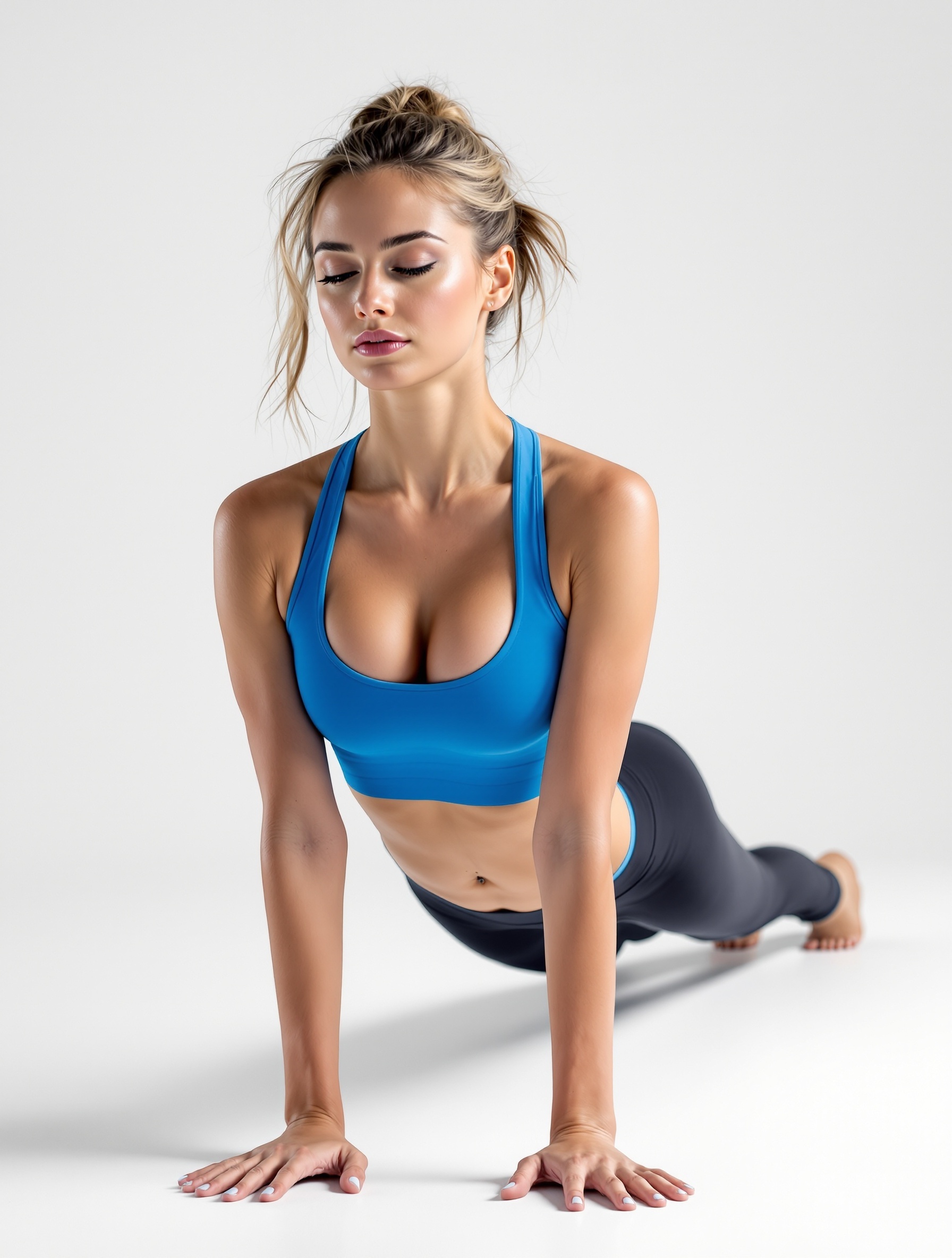
Downward-Facing Dog (Adho Mukha Svanasana)
Benefits: Full-body stretch, strengthens arms and legs, energizes
How to: From hands and knees, lift hips up and back, forming an inverted V shape
Warrior I (Virabhadrasana I)
Benefits: Strengthens legs, opens hips and chest, builds stamina
How to: Step one foot back, bend front knee to 90°, raise arms overhead
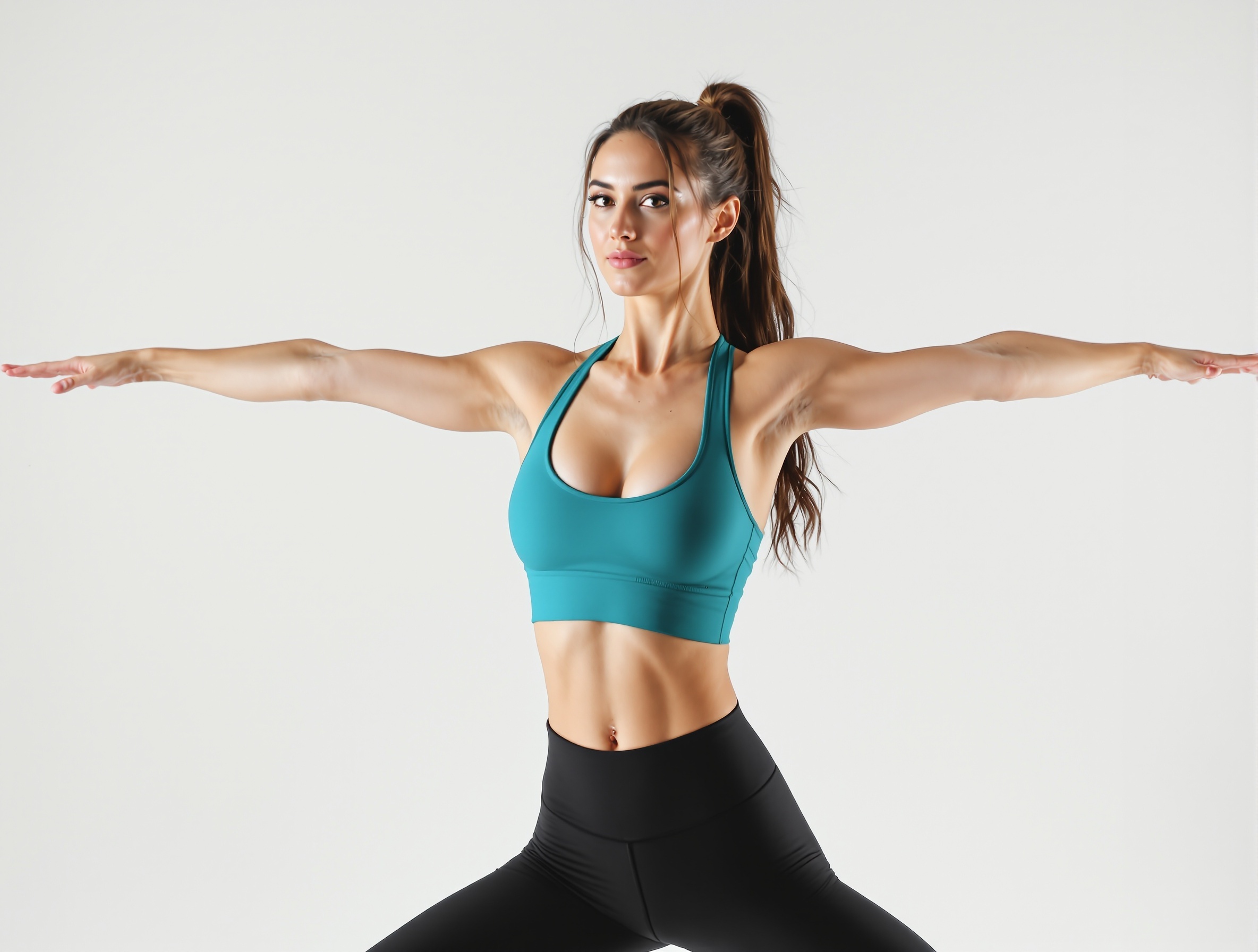
Warrior II (Virabhadrasana II)
Benefits: Strengthens legs, improves concentration, opens hips
How to: Similar to Warrior I, but open hips and extend arms parallel to floor
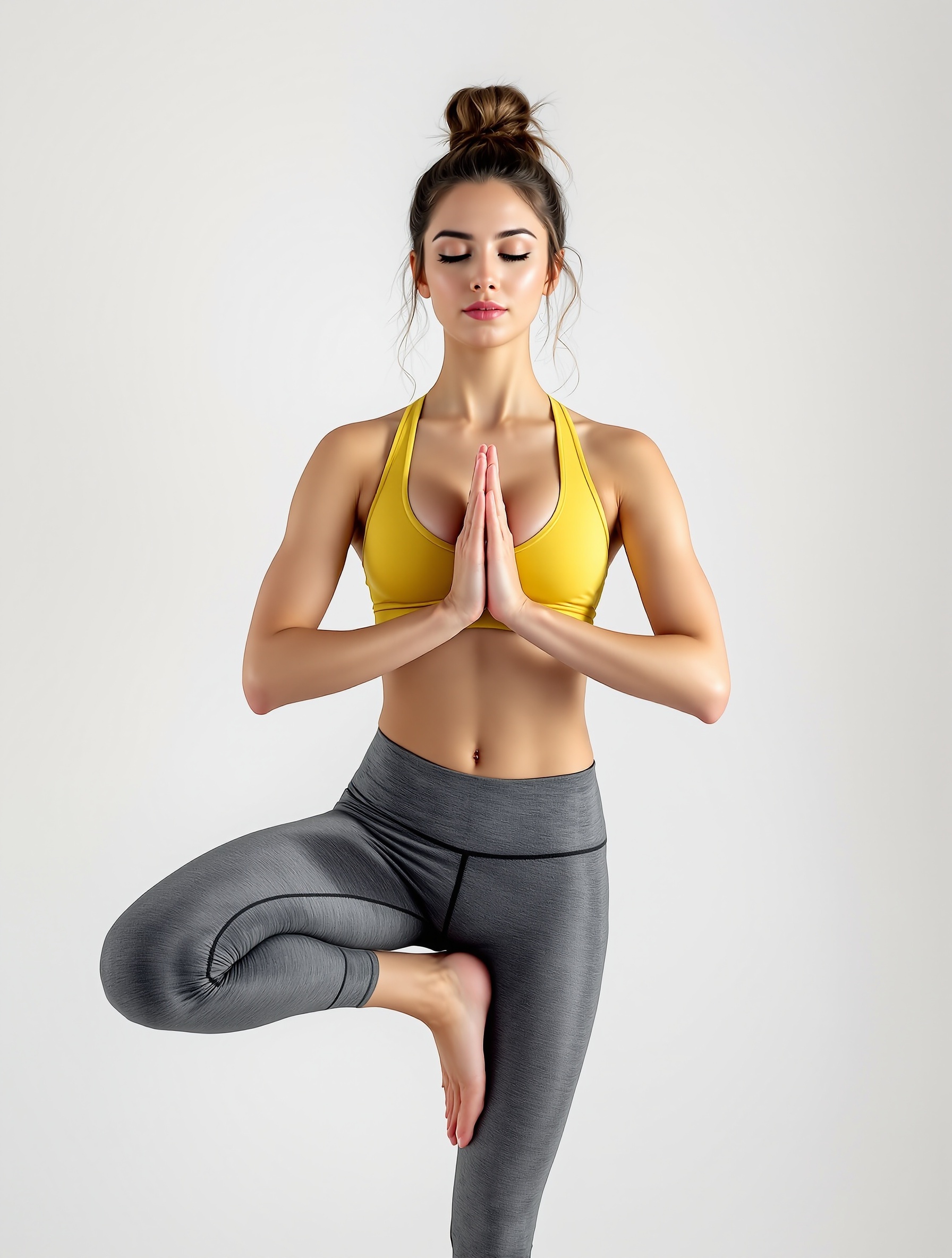
Tree Pose (Vrksasana)
Benefits: Improves balance, strengthens legs and core, enhances focus
How to: Stand on one leg, place other foot on inner thigh or calf, hands at heart or overhead
Cat-Cow Pose (Marjaryasana-Bitilasana)
Benefits: Warms spine, relieves back tension, coordinates breath and movement
How to: On hands and knees, alternate between arching and rounding the back
Bridge Pose (Setu Bandhasana)
Benefits: Strengthens back and glutes, opens chest, mild inversion
How to: Lie on back, feet hip-width apart, lift hips while pressing feet down
Corpse Pose (Savasana)
Benefits: Complete relaxation, integrates practice, reduces stress
How to: Lie flat on back, arms slightly away from body, palms up, close eyes
Intermediate Poses
Triangle Pose (Trikonasana)
Benefits: Strengthens legs, stretches sides, improves balance
Extended Side Angle (Utthita Parsvakonasana)
Benefits: Opens hips and shoulders, strengthens legs, builds endurance
Boat Pose (Navasana)
Benefits: Core strengthener, improves digestion, builds confidence
Half Pigeon (Ardha Kapotasana)
Benefits: Deep hip opener, releases emotional tension, increases flexibility
Wheel Pose (Urdhva Dhanurasana)
Benefits: Energizing backbend, opens entire front body, builds strength
Crow Pose (Bakasana)
Benefits: Arm balance that builds upper body strength and confidence
Headstand (Sirsasana)
Benefits: King of poses, improves focus, strengthens core and arms
Shoulder Stand (Sarvangasana)
Benefits: Queen of poses, thyroid stimulation, calming inversion
Advanced Poses
Forearm Stand (Pincha Mayurasana)
Benefits: Builds tremendous upper body strength, improves balance
Handstand (Adho Mukha Vrksasana)
Benefits: Full-body strengthener, builds confidence, improves focus
King Dancer (Natarajasana)
Benefits: Challenging balance pose, opens chest and shoulders, strengthens legs
Flying Pigeon (Eka Pada Galavasana)
Benefits: Arm balance with deep hip opening, builds core and arm strength
Proper Alignment Principles
Foundation
Whatever touches the ground (feet, hands, seat) should be stable and engaged
Stacking Joints
Align joints directly over each other for stability and safety
Neutral Spine
Maintain natural curves of spine unless pose specifically asks for flexion or extension
Active Engagement
Engage muscles rather than hanging in joints
Breath Connection
Never sacrifice breath for depth in a pose
Modifications and Props
Blocks
Bring the floor closer in standing forward bends, support hands in lunges
Straps
Extend reach in seated forward folds, help with shoulder stretches
Bolsters
Support body in restorative poses, aid in gentle backbends
Blankets
Cushion knees, support hips in seated poses, provide warmth in Savasana
Common Mistakes to Avoid
- Pushing through pain: Sensation yes, pain no
- Holding breath: Keep breathing steady and smooth
- Comparing to others: Honor your own body
- Skipping warm-up: Prepare body before deep stretches
- Rushing: Take time to set up poses properly
- Locking joints: Keep micro-bend in elbows and knees
Building a Home Practice
Morning Sequence (15 minutes)
Cat-Cow, Downward Dog, Sun Salutations (3 rounds), Warrior poses, Triangle, Seated Forward Fold, Savasana
Evening Sequence (20 minutes)
Child's Pose, Gentle twists, Forward folds, Bridge, Legs-up-the-wall, Extended Savasana
Quick Energy Boost (10 minutes)
Sun Salutations (5 rounds), Warrior II hold, Tree Pose, Standing Forward Fold
Pose Sequencing Tips
- Start with warm-up poses
- Progress from simple to complex
- Counter poses (follow backbend with forward fold)
- Cool down gradually
- Always end with Savasana
Safety Guidelines
- Consult doctor if you have injuries or medical conditions
- Learn proper alignment from qualified teachers
- Listen to your body - never force
- Avoid inversions during menstruation or pregnancy (without teacher guidance)
- Practice on empty or light stomach
- Stay hydrated but don't drink during practice
Ready to learn these poses with expert guidance? Find experienced yoga teachers in your city who can help you develop a safe, effective practice.