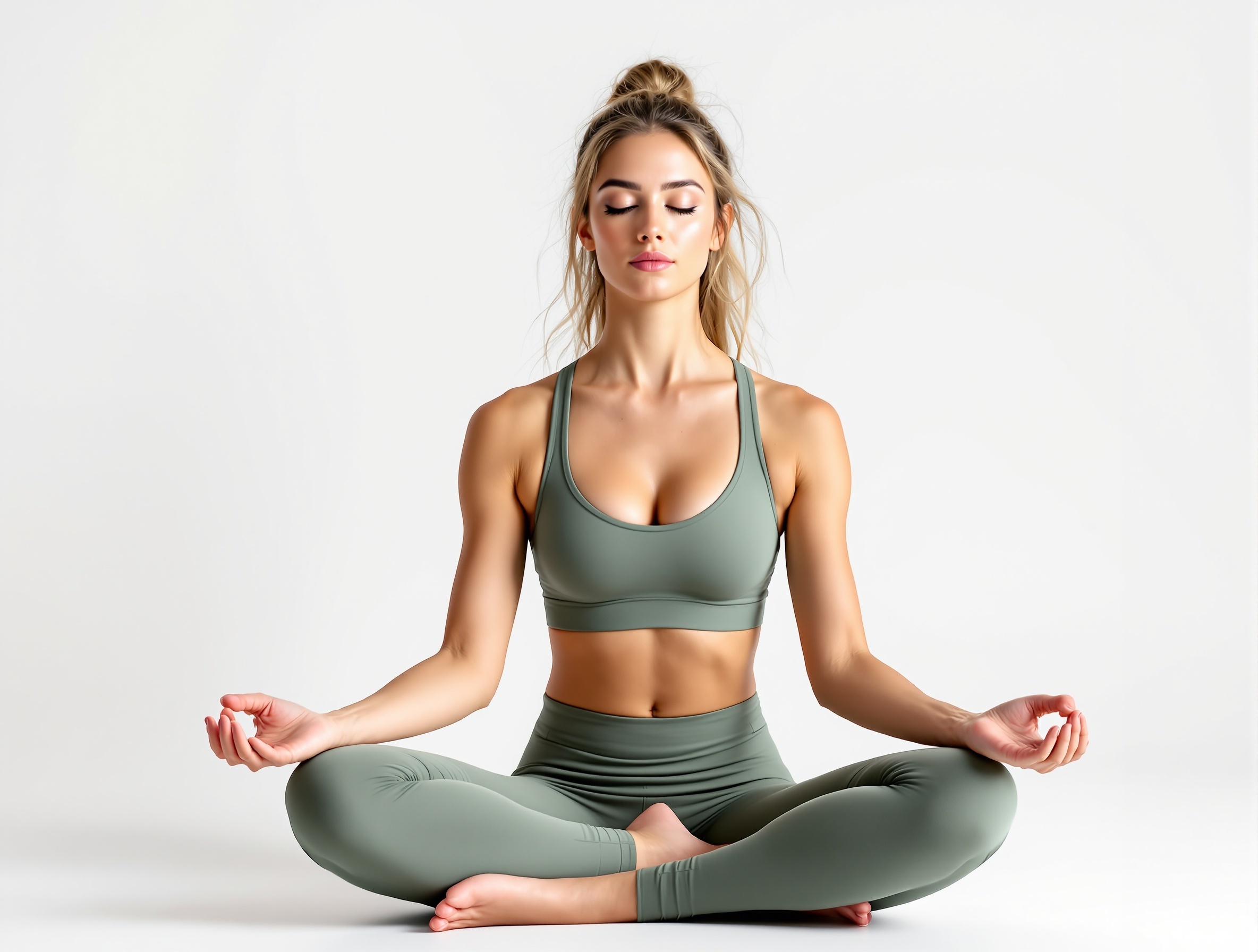
Understanding Hatha Yoga
Hatha Yoga is the most widely practiced form of yoga in the world today. The word "Hatha" comes from two Sanskrit words: "Ha" (sun) and "Tha" (moon), representing the balance of opposing forces. Hatha Yoga aims to balance body and mind through physical postures (asanas), breathing techniques (pranayama), and meditation.
What Makes Hatha Yoga Unique
Unlike more dynamic styles, Hatha Yoga classes typically move at a slower pace, making it ideal for beginners and those seeking a gentle introduction to yoga. Poses are held longer, allowing practitioners to focus on alignment, breath, and developing body awareness.
The Components of Hatha Yoga
1. Asanas (Physical Postures)
Hatha Yoga includes a wide variety of poses designed to strengthen, stretch, and balance the body. These range from standing poses like Warrior and Triangle, to seated poses like Forward Folds, and restorative poses like Child's Pose.
2. Pranayama (Breath Control)
Breathing exercises are integral to Hatha Yoga. Techniques like alternate nostril breathing (Nadi Shodhana) and victorious breath (Ujjayi) help calm the mind and energize the body.
3. Meditation and Relaxation
Most Hatha classes end with Savasana (corpse pose), a period of deep relaxation that allows the body to integrate the benefits of practice.
Benefits of Hatha Yoga
- Improved Flexibility: Regular practice gradually increases range of motion in muscles and joints
- Increased Strength: Holding poses builds muscular strength and endurance
- Better Balance: Standing poses and balance postures improve stability and coordination
- Stress Reduction: The combination of movement, breath, and meditation calms the nervous system
- Enhanced Mind-Body Connection: Slow, mindful practice develops body awareness
- Improved Posture: Strengthening core muscles and spine alignment reduces back pain
Who Should Practice Hatha Yoga?
Hatha Yoga is suitable for people of all ages and fitness levels:
- Beginners: The slower pace allows time to learn proper alignment and technique
- Seniors: Gentle movements can be modified for any ability level
- Athletes: Provides balance to intense training with stretching and recovery
- Stressed Professionals: Offers a calming practice to counter busy lifestyles
- Those Recovering from Injury: Can be adapted for rehabilitation (with medical clearance)
Common Hatha Yoga Poses
Mountain Pose (Tadasana)
The foundation of all standing poses, teaching proper alignment and grounding.
Downward-Facing Dog (Adho Mukha Svanasana)
An energizing pose that stretches the entire body while building strength.
Warrior Poses (Virabhadrasana I, II, III)
Powerful standing poses that build strength, stability, and focus.
Tree Pose (Vrksasana)
A balancing pose that improves concentration and leg strength.
Child's Pose (Balasana)
A resting pose that gently stretches the back while promoting relaxation.
Corpse Pose (Savasana)
The final relaxation pose that integrates the practice and promotes deep rest.
Getting Started with Hatha Yoga
What to Expect in Your First Class
Typical Hatha classes last 60-90 minutes and follow a structured format:
- Opening: Centering, setting intention, and initial breathing exercises
- Warm-up: Gentle movements to prepare the body
- Standing Poses: Building heat and strength
- Seated or Floor Poses: Deeper stretches and hip openers
- Cool-down: Gentle twists and forward folds
- Final Relaxation: Savasana for integration and rest
What You Need
- Comfortable, stretchy clothing that allows movement
- A yoga mat (many studios provide these)
- Optional: blocks, strap, blanket for modifications
- An open mind and patience with yourself
Tips for Beginning Hatha Yoga
- Start Slowly: Don't push into pain; work at your own pace
- Focus on Breath: Let your breath guide your movements
- Listen to Your Body: Honor your limits and modify as needed
- Be Consistent: Regular practice yields better results than occasional intense sessions
- Stay Present: Yoga is about the journey, not perfection
- Ask Questions: Good teachers welcome questions about alignment and modifications
Hatha Yoga vs. Other Styles
While Hatha is the foundation, many modern styles have evolved from it:
- Vinyasa: Faster-paced with flowing sequences
- Ashtanga: Structured series of poses in specific order
- Iyengar: Emphasis on precise alignment using props
- Yin: Longer holds in passive poses for deep stretching
- Restorative: Fully supported poses for deep relaxation
Hatha provides a balanced middle ground, incorporating elements from these styles while maintaining accessibility for all levels.
Ready to begin your Hatha Yoga journey? Find beginner-friendly classes in your city and experience the transformative power of this ancient practice.